As modern electronic devices continue to become smaller, lighter, and more powerful, the materials used in printed circuit boards must meet increasingly demanding performance requirements. While FR4 remains the most commonly used PCB substrate, certain applications require superior thermal stability, flexibility, and durability. In these situations, the Polyimide PCB has become a preferred choice for engineers and manufacturers.
Polyimide-based circuit boards are widely used in aerospace, military, medical, automotive, and high-performance industrial applications because they can withstand extreme temperatures and harsh operating environments. Their excellent electrical and mechanical properties make them an ideal solution for advanced electronic systems where reliability is critical.
What Is a Polyimide PCB?
A Polyimide PCB is a printed circuit board that uses polyimide material as the substrate instead of traditional epoxy-based materials such as FR4. Polyimide is a high-performance polymer known for its exceptional thermal resistance, mechanical strength, and chemical stability.
Unlike conventional PCB materials, polyimide can maintain its structural and electrical properties under extreme temperatures. This capability makes polyimide PCBs suitable for applications that involve continuous exposure to heat, vibration, or aggressive environmental conditions.
Polyimide substrates are commonly used in both rigid and flexible PCB designs, providing engineers with greater design freedom and performance advantages.
Properties of Polyimide PCB Material
The popularity of the Polyimide PCB stems from the unique properties of polyimide material.
One of the most significant characteristics is excellent thermal stability. Polyimide can withstand temperatures significantly higher than standard PCB materials without softening, deforming, or degrading.
The material also offers superior mechanical strength and flexibility. This combination allows it to perform well in applications involving repeated bending or mechanical stress.
Polyimide exhibits outstanding chemical resistance, making it suitable for environments where exposure to oils, solvents, fuels, and other chemicals is common.
Another important advantage is its low coefficient of thermal expansion. This helps reduce mechanical stress on components during temperature fluctuations and improves long-term reliability.
Additionally, polyimide provides excellent electrical insulation and dielectric performance, ensuring stable signal transmission in complex electronic systems.
Structure of a Polyimide PCB
The structure of a Polyimide PCB is similar to other PCB types but uses polyimide as the primary insulating substrate.
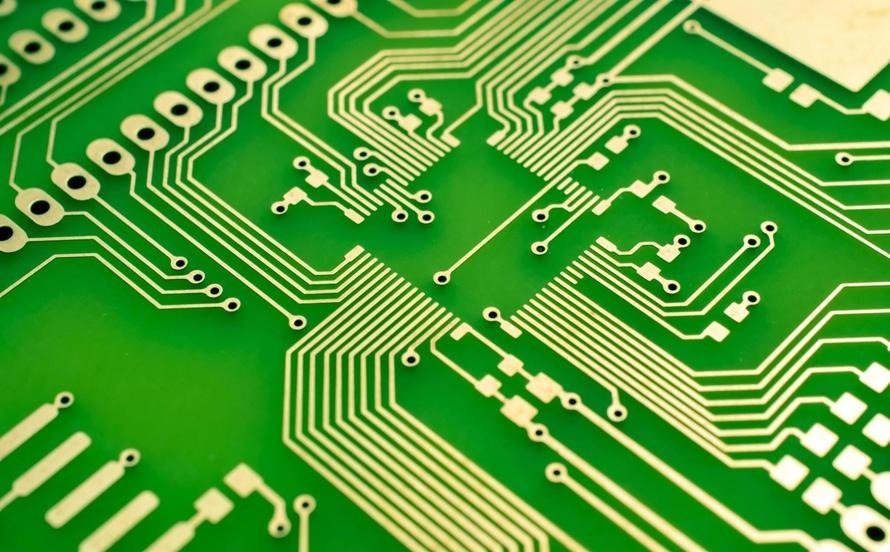
The base layer consists of a polyimide film or laminate that provides mechanical support and electrical insulation. Copper foil is laminated onto the substrate to create conductive pathways.
The copper layers are etched to form the circuit design according to engineering specifications. In multilayer designs, multiple polyimide and copper layers are stacked and laminated together.
A solder mask or coverlay is applied to protect the copper traces from environmental damage and oxidation. Silkscreen markings may also be added for component identification and assembly guidance.
In flexible PCB applications, the polyimide substrate allows the board to bend and conform to various shapes while maintaining electrical functionality.
Manufacturing Process of Polyimide PCBs
The production of a Polyimide PCB involves specialized processes designed to maximize the material’s performance characteristics.
The manufacturing process begins with selecting the appropriate polyimide substrate based on thermal, electrical, and mechanical requirements.
Copper foil is laminated onto the polyimide material, and a photoresist layer is applied. The desired circuit pattern is transferred using photolithography techniques.
After exposure and development, chemical etching removes unwanted copper, leaving the required circuit traces.
Drilling is performed to create vias and mounting holes. These holes are then plated with copper to establish electrical connections between layers.
For multilayer boards, additional polyimide and copper layers are laminated together under carefully controlled temperature and pressure conditions.
A protective solder mask or coverlay is applied, followed by final inspection and electrical testing to ensure compliance with design specifications.
Advantages of Polyimide PCBs
One of the greatest advantages of a Polyimide PCB is its ability to withstand extreme temperatures. The material remains stable in both high-temperature and low-temperature environments, making it suitable for demanding applications.
Another major benefit is flexibility. Polyimide substrates are widely used in flexible and rigid-flex PCBs, allowing designers to create compact and innovative electronic products.
Durability is also a key advantage. Polyimide resists mechanical stress, vibration, and chemical exposure, ensuring long-term reliability.
The material’s excellent electrical insulation properties contribute to stable signal transmission and reduced risk of electrical failure.
Polyimide PCBs also perform well under thermal cycling conditions, where repeated heating and cooling could cause other materials to crack or delaminate.
These advantages make polyimide one of the most versatile materials available for advanced PCB applications.
Applications of Polyimide PCBs
The exceptional properties of Polyimide PCB technology have led to its adoption across numerous high-performance industries.
In aerospace applications, polyimide PCBs are used in satellites, avionics systems, and flight control electronics due to their ability to withstand extreme temperatures and environmental conditions.
The defense sector utilizes polyimide PCBs in communication systems, radar equipment, and military electronics that require maximum reliability.
Automotive manufacturers use polyimide PCBs in engine control systems, sensors, battery management systems, and electric vehicle electronics where elevated temperatures are common.
Medical devices such as implantable electronics, imaging equipment, and monitoring systems benefit from the reliability and durability of polyimide substrates.
Consumer electronics manufacturers also employ polyimide PCBs in flexible displays, wearable devices, smartphones, and foldable products that require compact and flexible designs.
Industrial automation systems, robotics, and telecommunications infrastructure further expand the range of applications for polyimide PCB technology.
Design Considerations for Polyimide PCBs
Designing a Polyimide PCB requires careful attention to several important factors.
Thermal requirements should be evaluated early in the design process to determine whether polyimide is necessary compared to standard PCB materials.
For flexible applications, engineers must carefully define bend radii and flexing requirements to ensure long-term durability.
Layer stack-up design is critical for achieving the desired balance between flexibility, strength, and electrical performance.
Controlled impedance routing may be required in high-speed communication systems to maintain signal integrity.
Material thickness selection should also consider mechanical constraints, assembly requirements, and thermal performance objectives.
By addressing these considerations, designers can maximize the benefits of polyimide PCB technology.
Challenges of Polyimide PCB Manufacturing
Despite its many advantages, the Polyimide PCB presents several manufacturing challenges.
The material is generally more expensive than traditional FR4 substrates, resulting in higher production costs.
Processing polyimide often requires specialized manufacturing equipment and expertise due to its unique thermal and mechanical characteristics.
The fabrication process can also be more complex, particularly for multilayer and flexible designs.
However, for applications that require exceptional reliability and performance, these challenges are often justified by the benefits provided.
Future Trends in Polyimide PCB Technology
As electronics continue to evolve, demand for Polyimide PCB solutions is expected to increase significantly.
Emerging technologies such as electric vehicles, wearable electronics, flexible displays, aerospace systems, and advanced medical devices are driving the need for high-performance PCB materials.
Manufacturers are also developing new polyimide formulations that offer improved thermal conductivity, enhanced flexibility, and greater environmental sustainability.
These advancements will continue to expand the role of polyimide PCBs in next-generation electronic products.
Conclusion
The Polyimide PCB is one of the most advanced and reliable PCB solutions available for demanding electronic applications. Its exceptional thermal stability, flexibility, mechanical strength, and chemical resistance make it an ideal choice for industries such as aerospace, automotive, medical, telecommunications, and defense.
As electronic systems become more sophisticated and operate in increasingly challenging environments, the importance of polyimide-based circuit boards will continue to grow. Companies seeking high-performance PCB solutions often partner with an experienced Polyimide PCB manufacturer to ensure superior quality, reliable performance, and long-term durability in their electronic products.