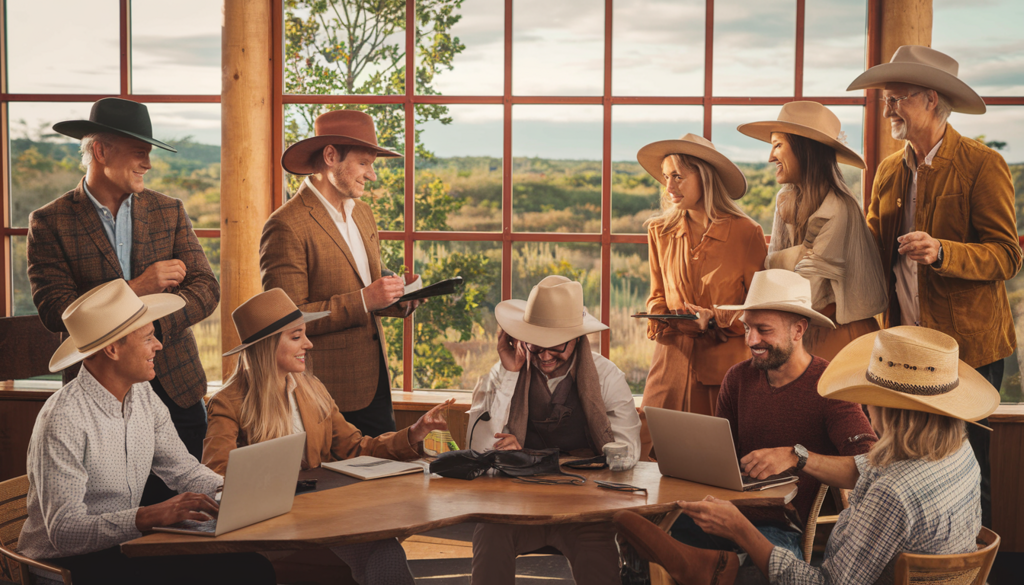
The Australian outback hat has evolved from a practical necessity into a sophisticated style statement. With its distinctive wide brim and robust construction, this iconic headwear bridges the gap between rugged functionality and refined aesthetics—making it increasingly relevant in today’s business casual environments. Unlike fleeting fashion trends, the outback hat’s enduring appeal lies in its ability to serve both form and function, offering sun protection and weather resistance while elevating professional attire with understated elegance.
The Origins of an Australian Icon
The story of the outback hat begins in the harsh Australian interior of the 19th century, where settlers and workers needed reliable protection from relentless sun and unpredictable weather. These early designs prioritized durability above all else, crafted from materials that could withstand the punishing conditions of the bush. The wide brim became a defining feature—not as a style choice, but as essential architecture for survival in an unforgiving landscape.
Beyond its practical origins, the outback hat carries deep cultural resonance in Australia. It represents the pioneering spirit and resilience that defined the nation’s early development, becoming synonymous with the stockmen, drovers, and explorers who shaped the country’s identity. This cultural weight has transformed the hat from mere utility into a symbol of Australian heritage, one that continues to resonate in contemporary fashion.
Design Elements That Define Quality
Understanding what makes an authentic outback hat requires examining its core characteristics:
- Construction materials: Premium outback hats utilize leather, wool felt, or heavy-duty canvas—materials chosen for their ability to maintain shape and provide protection over years of wear.
- Brim architecture: The signature wide brim typically measures between 2.75 to 3.5 inches, offering substantial sun coverage while maintaining proportional balance with the crown.
- Crown design: A higher crown allows for air circulation and a comfortable fit, with variations including the classic teardrop, center dent, and open crown styles.
- Finishing details: Quality examples feature leather chin straps, ventilation eyelets, and interior sweatbands that enhance both functionality and longevity.
These design elements work in concert to create a hat that performs as well in urban professional settings as it does in outdoor environments. The attention to construction quality ensures the hat maintains its shape and appearance through regular wear, making it a worthwhile investment for those building a versatile wardrobe.
From Outback to Office: Modern Styling Applications
The integration of outback hats into business casual dress codes reflects broader shifts in professional attire. As workplace environments have relaxed their formality requirements, accessories that once seemed too casual or rugged have found new relevance. The outback hat fits this evolution perfectly—it brings character and individuality to professional dress without crossing into inappropriate territory.
Contemporary fashion has embraced the outback aesthetic in ways that extend beyond Australia. Major menswear publications regularly feature wide-brimmed hats in their style guides, recognizing their ability to add dimension to otherwise standard business casual combinations. The hat’s neutral color palette—typically earth tones like tan, brown, and charcoal—ensures compatibility with most professional wardrobes.
In practice, the outback hat works particularly well in business casual contexts that lean toward the casual end of the spectrum. It pairs naturally with:
- Unstructured blazers in linen or cotton blends
- Oxford cloth button-downs and chambray shirts
- Chinos, moleskins, and dark denim
- Desert boots, loafers, and quality leather sneakers
The key to successful integration lies in treating the hat as a foundational piece rather than a novelty. When chosen thoughtfully and worn with confidence, it becomes part of a cohesive personal style rather than a costume element.
Selecting Your Hat: Practical Considerations
Choosing an outback hat for business casual wear requires balancing aesthetic preferences with practical needs. Start with color selection: neutral tones offer maximum versatility, while darker shades like charcoal or black project a more formal sensibility. Lighter tans and browns maintain a relaxed feel appropriate for creative or outdoor-adjacent industries.
Material choice significantly impacts both appearance and performance. Wool felt provides excellent structure and weather resistance, making it ideal for cooler climates and professional settings where a polished look matters most. Leather develops character over time, acquiring a patina that many wearers prize, though it requires more maintenance. Canvas options offer breathability and casual appeal, though they may appear too informal for some business environments.
Fit deserves careful attention—an ill-fitting hat undermines even the finest materials and construction. The hat should sit comfortably on your head without pressure points, resting approximately one finger’s width above your ears. The interior sweatband should make contact around the entire circumference without creating gaps or excessive tightness. Many quality hatmakers offer sizing guides and adjustment options to ensure proper fit.
For those exploring options, specialized outback hat collections from makers like Conner Hats, Akubra, and Stetson cover a wide range of styles — from traditional silhouettes to contemporary cuts suited to business casual wear.
Maintenance and Longevity
Proper care extends the life of an outback hat significantly, protecting your investment and maintaining its appearance. Regular maintenance begins with simple habits:
- Daily care: Remove dust and light debris with a soft-bristled brush, always brushing in a counterclockwise direction following the felt’s natural grain
- Storage practices: Store hats on a proper hat stand or in a box to maintain crown shape; avoid hanging by the brim, which can cause warping
- Weather protection: While outback hats handle moisture better than many styles, avoid prolonged exposure to heavy rain; if wet, allow to air dry naturally away from direct heat
- Stain treatment: Address spots immediately with a lightly dampened cloth; for stubborn marks on felt, use a specialized hat cleaning solution
Leather hats require additional attention to prevent drying and cracking. Quality leather care involves periodic conditioning with appropriate products that nourish the material without leaving residue. Apply conditioner sparingly, working it into the leather with a soft cloth, then buff to restore luster.
Professional cleaning and reshaping services can address more serious issues—crushed crowns, severe staining, or structural damage. Many hat specialists offer these services, and the investment often proves worthwhile for high-quality pieces that have sentimental or monetary value.
The Enduring Appeal of Functional Style
The Australian outback hat’s transition from workwear essential to business casual staple illustrates how truly functional design transcends its original context. Its continued relevance stems from qualities that matter in any era: honest construction, practical utility, and aesthetic integrity that doesn’t rely on fleeting trends.
In an age of disposable fashion and manufactured obsolescence, the outback hat represents a different approach—one where quality materials and thoughtful design create items meant to last years rather than seasons. This philosophy aligns with growing interest in sustainable fashion and intentional consumption, making the outback hat not just a style choice but a statement about values.
For professionals seeking to distinguish their business casual wardrobe without resorting to gimmicks or excessive formality, the outback hat offers a compelling solution. It brings character, heritage, and practical benefits to everyday dress, proving that the best accessories serve multiple purposes while requiring no justification for their presence. Whether you’re drawn to its cultural significance, functional design, or distinctive aesthetic, the outback hat earns its place in a thoughtfully curated wardrobe.