There is a reason why some roofing repairs hold up for decades while others start falling apart within a season or two. Homeowners often assume that the quality of the materials or the speed of the job is what makes the difference. In reality, the single biggest factor is usually something that happens before a single nail is driven or a single shingle is laid. If you have ever neededroof repair Tooele homeowners trust, you already know that cutting corners on preparation is a gamble that rarely pays off. The work that gets done quietly in the early stages of a project determines whether that repair will still be holding strong five years from now or will be causing headaches before the next winter arrives.
Why Preparation Gets Skipped
Prep work takes time, and some contractors simply do not want to spend it. There is always pressure to move on to the next job, and trimming the early stages of a repair is an easy way to quietly save an hour or two. The homeowner usually has no idea it happened. Old adhesive is left behind, debris is not fully cleared, and moisture is sealed under the new material instead of being dealt with. None of it is obvious when the job wraps up, and everything looks clean from the street. The trouble shows up later, sometimes months down the road, sometimes the following season. And by then, the contractor who rushed through it has moved on. The homeowner is the one left figuring out why a repair they already paid for is leaking again.
What Good Surface Preparation Actually Involves
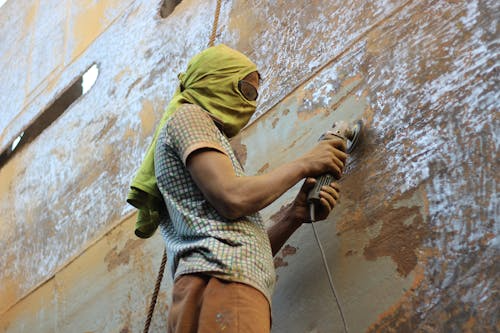
A thorough preparation process starts with a close inspection of the existing surface. Any damaged or rotted decking needs to be addressed before anything new goes on top of it. The area needs to be cleaned of dirt, algae, moss, and loose granules that have accumulated over time. Old flashing that has corroded or separated must be removed rather than covered over, because layering new material on top of compromised flashing only delays the inevitable. If there is any moisture in the underlying structure, it must dry completely before new materials are applied. Each of these steps seems minor on its own, but skipping even one can compromise everything that follows. A repair built on a dirty, wet, or structurally unsound surface is not really a repair at all. It is a temporary cover that is already counting down to its next failure.
The Long-Term Cost of Doing It Wrong
A repair that fails in two years ends up costing far more than one done the first time. Beyond the financial hit, repeated leaks can cause structural damage to rafters, insulation, and interior ceilings that grows more expensive with every passing month. Mold can develop quietly in hard-to-inspect spaces, creating health concerns on top of structural ones. What started as a straightforward repair becomes a much larger project because the foundation of the work was flawed from the start. This is not a hypothetical scenario. It is something roofing professionals see regularly on homes where previous work was rushed or where a homeowner chose the lowest bid without asking the right questions. The savings from cheap work tend to disappear quickly once the follow-up repairs start adding up.
How Weather Conditions Play a Role
Timing is one of those things that does not get talked about enough when it comes to roof repairs. Most people think about materials and labor, but not about whether the day itself is actually suitable for the work being done. Cold temperatures can prevent adhesives from bonding as they should, and high humidity can introduce moisture into areas that appear perfectly dry on the surface. A good contractor pays attention to this. If the forecast is not cooperating, they should be willing to push the job back rather than press forward and hope for the best. A short delay is a lot easier to deal with than a repair that starts failing because it was installed on the wrong day.
What to Look for When Hiring
Choosing a roofer comes down to more than checking reviews online. When you sit down with a contractor, ask them to walk you through what they do before any new materials go on. If they gloss over that part or steer the conversation straight to cost and product options, that tells you something. The prep work is where many contractors quietly cut corners, and someone who does it right will have no problem explaining their process in detail. Reviews can confirm that past customers were happy, but talking directly about how they approach a job will give you a much better sense of what you are actually getting. The best contractors are just as focused on the work you will never see as the work you will.
Conclusion
The lifespan of any roof repair is built on what happens before the visible work begins. Proper surface preparation is not glamorous, and it does not make for impressive before-and-after photos, but it is what separates a repair that lasts from one that creates more problems than it solves. Whether you are dealing with a minor leak or more significant damage, seeking quality roof repair Tooele residents can count on means choosing a contractor who treats preparation as seriously as the repair itself. The work you cannot see is often the work that matters most, and homeowners who understand that tend to make better decisions when it comes time to hire.