Lip sync used to be one of those details most viewers ignored. As long as the visuals looked interesting and the overall video felt engaging, small mismatches between speech and mouth movement were often overlooked. That is no longer the case.
Viewers have become far more sensitive to subtle inconsistencies. Even a slight delay between audio and lip movement can feel distracting. It breaks immersion in a way that is hard to ignore, even if the rest of the video looks polished.
This shift is not happening in isolation. It is directly influenced by improvements in how video is generated and experienced through tools like Higgsfield AI. As output quality improves, expectations naturally rise.
Lip Sync Has Become a Key Indicator of Quality
Earlier, lip sync was treated as a secondary detail. It was something that could be adjusted during editing if needed. Many viewers were willing to accept minor mismatches because overall video quality was still evolving. Now, things are different.
Exposing weaknesses in outdated AI video tools is becoming more common as audiences compare outputs more closely. Lip sync is no longer just a technical detail. It is a visible marker of how refined a video actually is. When it feels off, the entire video feels less credible.
Better Output Makes Flaws Easier to Spot
The clearer and more refined a video becomes, the more noticeable small flaws are.
This is where Higgsfield AI and Seedance 2.0 begin to change perception. By generating video with closely aligned audio and visuals, they raise the baseline of what viewers expect. When viewers get used to accurate lip sync, anything less stands out immediately.
This contrast makes poor lip sync more obvious than ever before. It is no longer hidden behind lower overall quality.
The Brain Is Highly Sensitive to Facial Movement
Human perception is especially tuned to faces.
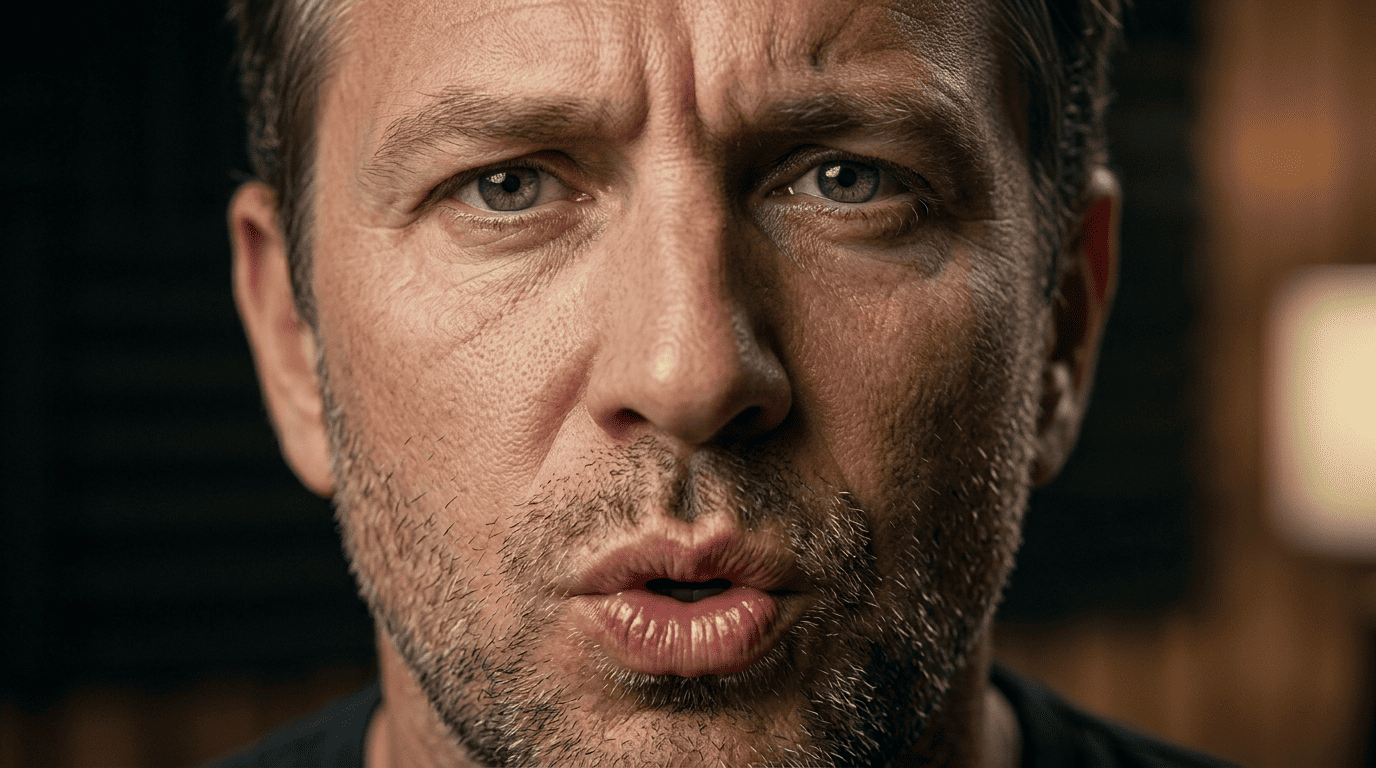
People naturally focus on expressions, eye movement, and speech. Even small inconsistencies in lip movement can feel unnatural. This sensitivity makes lip sync one of the most noticeable flaws in a video.
Seedance 2.0 improves alignment between speech and facial motion within Higgsfield AI, making interactions feel more natural. When the brain detects proper alignment, it accepts the video more easily.
Audio-Visual Mismatch Breaks Immersion
A video feels real when audio and visuals match perfectly. When speech and lip movement are out of sync, it creates a disconnect. Even if everything else is high quality, this mismatch breaks immersion.
Seedance 2.0 reduces this issue by generating audio and visuals together inside Higgsfield AI. This creates a more cohesive output. As a result, viewers stay engaged without distraction.
Higher Standards Make Older Outputs Look Flawed
As technology improves, older outputs start to feel outdated. Videos that once seemed acceptable now feel incomplete. This is especially true for lip sync.
Seedance 2.0 sets a higher standard within Higgsfield AI by improving alignment and timing. When compared to this, older or less advanced tools make lip sync issues more noticeable. The gap between high-quality and low-quality output becomes clearer.
Consistency Across Scenes Matters
Lip sync is not just about individual moments. It needs to remain consistent across an entire video. If alignment shifts between scenes, it becomes noticeable. Seedance 2.0 maintains consistency across scenes within Higgsfield AI, ensuring that lip sync remains stable throughout the video. This improves overall realism.
Realism Depends on Subtle Details
Small details often define how real a video feels. Lip sync is one of those details. Even a slight mismatch can reduce the sense of realism.
Seedance 2.0 focuses on these subtle elements within Higgsfield AI, ensuring that speech and motion align naturally. This creates a more believable experience.
Viewer Expectations Are Increasing
As viewers consume more high-quality content, their expectations change. They begin to notice details they previously ignored. Lip sync is one of those details.
Higgsfield AI is contributing to this shift by raising the standard of output. As more people experience better alignment, their expectations increase. This makes poor lip sync easier to recognize.
Reduced Tolerance for Imperfections
Viewers are becoming less tolerant of imperfections. What was once acceptable is now seen as a flaw.
Lip sync issues are no longer ignored. Seedance 2.0 reduces these imperfections within Higgsfield AI, making videos feel more refined. This shifts expectations across the entire industry.
The Role of Audio Integration
Audio integration plays a key role in lip sync accuracy. When audio is generated separately, mismatches are more likely. Seedance 2.0 integrates audio directly within Higgsfield AI, reducing these issues.
For those exploring how audio alignment affects video quality, sound design in video explains the importance of synchronization.
Better integration leads to better alignment.
Why Lip Sync Now Defines Credibility
Lip sync is becoming a defining factor in how credible a video feels. If speech and visuals align, the video feels more real. If not, it feels artificial. Seedance 2.0 improves this alignment within Higgsfield AI, helping create more believable content. This strengthens viewer trust.
Conclusion
Poor lip sync is more noticeable today because expectations have changed. As video quality improves, viewers become more sensitive to small inconsistencies.
Seedance 2.0 is raising the standard by improving alignment between audio and visuals. When used within Higgsfield AI, it creates outputs that feel more natural and consistent. As a result, flaws in older or less advanced tools become easier to spot. In the end, lip sync is no longer a minor detail. It is a key factor in how video quality is judged.