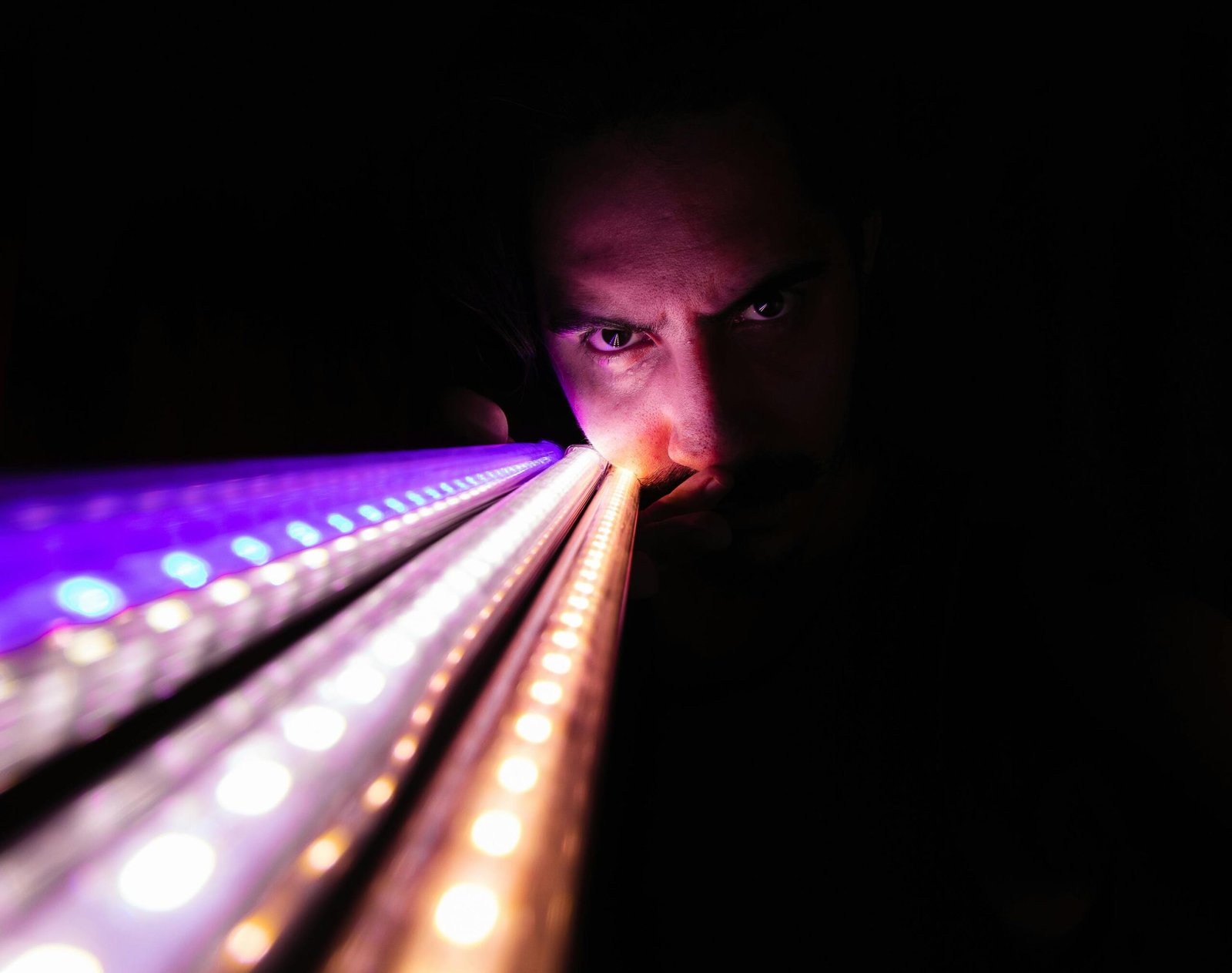
The shift toward modern solid-state lighting has fundamentally changed how architects and project managers approach commercial design. Gone are the days when lighting was an afterthought, relegated to a few standard fixtures. Today, lighting is a structural component, integrated directly into the bones of a building to enhance both aesthetics and functionality. This transition is largely driven by the advancement of high-density LED technology, which allows for uniform illumination without the “hot spots” or uneven shadows common in older systems.
A critical element of this evolution is the focus on thermal management. As systems become more powerful, the heat generated by the diodes must be dissipated effectively to prevent premature failure. High-quality systems now utilize advanced substrates and heat-dissipating housing to ensure that the lighting remains stable over tens of thousands of hours. For those managing large-scale installations, understanding these mechanical nuances is the difference between a project that lasts decades and one that requires constant maintenance within the first year.
Engineering for Scale: Strategic Sourcing
When moving from a residential scale to a major commercial installation, the logistical challenges grow exponentially. Bulk procurement is not merely about quantity; it is about consistency. In the lighting world, “binning” refers to the process of sorting LEDs so that they match in color temperature and brightness. Without strict binning standards, a single installation might display varying shades of white, which can ruin the visual integrity of a professional space.
Beyond color consistency, safety standards like low-voltage 12V or 24V configurations are essential. These systems minimize the risk of electrical hazards while allowing for greater flexibility in how the lights are installed around metal structures or damp environments. Navigating the logistics of Wholesale LED Strip Lights is a vital part of this planning process, as it ensures that every reel used in a project comes from a matched batch, maintaining uniform CRI (Color Rendering Index) and lumen output across vast square footages. This level of technical oversight prevents the “patchwork” look that often plagues budget-conscious projects.
The Mechanics of Targeted Illumination
While linear strips are excellent for coves and under-cabinet accents, more complex projects such as channel letters or large-format signage require a different mechanical approach. This is where modular injection systems come into play. Unlike flexible strips, these modules are often encased in rugged plastic housings that provide superior mechanical protection. They are designed to be daisy-chained, allowing for intricate layouts that follow the curves of a logo or the edges of a building’s facade.
Optical technology also plays a major role here. The choice between a milky lens and a clear lens can drastically change how light is diffused. A milky lens provides a soft, wide beam angle perfect for backlighting, while a clear lens preserves the intensity of the light for high-visibility applications. Furthermore, environmental protection ratings like IP65 or IP68 are no longer optional extras; they are technical requirements for any installation exposed to dust, moisture, or heavy rain.
Performance Benchmarks for Signage and Architectural Accents
In the signage industry, durability is the primary metric of success. Lighting modules must withstand vibration, temperature fluctuations, and UV exposure without yellowing or cracking. Injection molding has become the industry standard for these modules because it creates a seamless, water-resistant seal around the electronics. This robustness is essential for advertising projects where a single failed light could distort a brand’s image.
Voltage drop is another technical hurdle that engineers must calculate during the design phase. As electricity travels through a long circuit, the resistance of the wire causes the voltage to decrease, leading to dimmer lights at the far end of the run. To solve this, parallel wiring and power injection points are used. Identifying a reliable partner that acts as the Best led module supplier is essential for sourcing components that handle these electrical loads efficiently, ensuring that every module in a 50-foot run remains as bright as the first.
Implementation and Quality Verification
The final stage of any lighting project is the verification of material quality. High-end flexible circuits often use rolled copper rather than cheaper copper-clad alternatives. Rolled copper is more resilient to bending and folding, which prevents the internal circuits from snapping during installation. Additionally, checking the integrity of solder joints is a manual quality control step that ensures long-term connectivity under the stress of thermal expansion and contraction.
As we look toward the future, the integration of smart controls is becoming a standard requirement. Most modern systems are now designed for compatibility with DMX or PWM (Pulse Width Modulation) controllers, allowing for precision dimming and color shifting. This future-proofing ensures that an installation can adapt to different moods or branding requirements without needing a hardware overhaul. By focusing on these technical benchmarks from copper quality to smart integration project managers can deliver lighting solutions that are as durable as they are visually striking.