The modern business environment is evolving faster than ever. New technologies, changing customer behaviors, and shifting market dynamics are constantly redefining how organizations operate. In this environment, relying on static knowledge is no longer enough.
What worked yesterday may not work tomorrow.
This rapid pace of change has made continuous learning a necessity rather than a choice. Organizations that fail to adapt risk falling behind, while those that invest in ongoing learning are better positioned to grow and innovate.
The Limitations of Traditional Training
For years, companies approached learning as a one-time activity. Employees would attend workshops, complete training sessions, and then return to their roles with the expectation that the knowledge would last.
However, this approach has several limitations:
- Skills quickly become outdated
- Knowledge retention declines without reinforcement
- Training often lacks relevance to real-time challenges
- Scaling training across teams becomes difficult
As a result, traditional training models struggle to deliver long-term value.
The Rise of Continuous Learning
Continuous learning is a more dynamic approach. Instead of treating training as an isolated event, it integrates learning into everyday work.
Employees are encouraged to regularly update their skills, explore new concepts, and stay aligned with industry trends. This approach not only improves individual performance but also strengthens the organization as a whole.
Technology as the Enabler
One of the key drivers of continuous learning is technology. Digital platforms have made it possible to deliver training at scale while maintaining flexibility and accessibility.
Organizations using Cloud LMS Software can provide employees with ongoing access to learning resources, track progress, and update content as needed.
This ensures that training remains relevant and aligned with business goals.
Learning That Adapts to Individual Needs
Continuous learning is not just about frequency—it’s about relevance. Different employees have different roles, responsibilities, and learning requirements.
Digital platforms enable personalized learning paths, allowing employees to focus on the skills that matter most to them. This increases engagement and ensures that training has a direct impact on performance.
Building a Culture of Learning
Implementing continuous learning requires more than just tools. It requires a shift in mindset.
Organizations must create an environment where learning is encouraged and valued. This includes:
- Providing access to resources
- Encouraging knowledge sharing
- Recognizing and rewarding learning efforts
- Aligning learning with career growth
When learning becomes part of the culture, employees are more likely to take ownership of their development.
The Business Impact of Continuous Learning
Continuous learning delivers measurable benefits for organizations. These include:
Improved Performance
Employees who continuously update their skills are more effective in their roles.
Increased Innovation
Learning encourages creativity and problem-solving, leading to new ideas and solutions.
Higher Employee Engagement
Employees who feel supported in their development are more engaged and motivated.
Better Retention
Organizations that invest in learning are more likely to retain top talent.
Overcoming Common Challenges
Despite its benefits, implementing continuous learning can be challenging. Some common obstacles include:
- Lack of time for training
- Resistance to change
- Difficulty in maintaining engagement
- Ensuring content relevance
To overcome these challenges, organizations need a structured approach. This includes integrating learning into workflows, using engaging content formats, and regularly updating training materials.
The Role of Leadership
Leadership plays a critical role in driving continuous learning. When leaders prioritize learning, it sets the tone for the entire organization.
Leaders should actively participate in learning initiatives, encourage their teams, and align learning goals with business objectives.
Looking Ahead
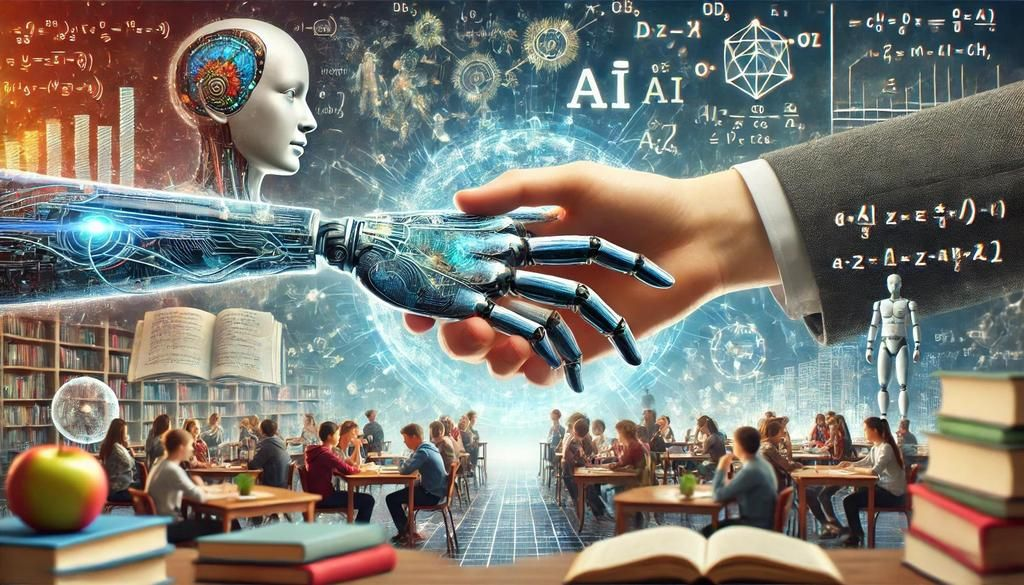
As we move forward, continuous learning will become even more important. Emerging technologies such as AI and automation will continue to reshape industries, creating new skill requirements.
Organizations that embrace continuous learning will be better equipped to adapt to these changes and remain competitive.
Final Thoughts
Continuous learning is no longer optional—it is essential for survival and growth in the modern business landscape.
By leveraging tools like Cloud LMS Software and fostering a culture of learning, organizations can build a workforce that is adaptable, skilled, and ready for the future.