Technology used to move slowly.
Now it feels like it upgrades itself while we sleep.
From how we work to how we relax, shop, travel, and even clean up our cities, innovation is reshaping daily life. Some changes are obvious. Others quietly operate in the background, improving efficiency without us even noticing.
Here are seven innovative technologies that are genuinely transforming the way we live.
1. Artificial Intelligence in Everyday Tools
Artificial intelligence is no longer science fiction.
It powers recommendation systems. Voice assistants. Customer service chatbots. Fraud detection in banking. Even content creation tools.
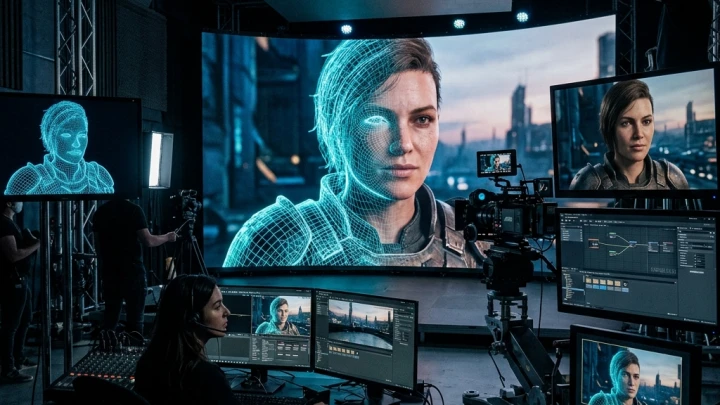
AI studies patterns and makes predictions faster than humans can. Businesses use it to automate tasks. Individuals use it to save time.
From smart email sorting to advanced medical diagnostics, AI improves accuracy and reduces workload across industries.
And we are only at the beginning.
2. Smart Home Technology
Homes are becoming intelligent.
Smart thermostats learn your schedule and adjust temperature automatically. Smart lighting systems reduce energy usage. Doorbell cameras improve security. Voice assistants connect everything.
The result?
More comfort. Lower energy bills. Greater control.
You can lock doors remotely. Turn off appliances from your phone. Monitor your property while travelling.
Convenience used to be manual. Now it’s automated.
3. Electric Vehicles and Clean Transport
Transportation is shifting toward sustainability.
Electric vehicles reduce emissions and lower long-term fuel costs. Charging stations are expanding. Governments are investing in greener infrastructure.
This shift impacts not just drivers but cities too. Cleaner transport improves air quality and reduces noise pollution.
It’s a gradual transition. But it’s reshaping urban living.
4. 3D Printing and Custom Manufacturing
3D printing is changing production.
It allows rapid prototyping. Custom parts. Medical implants. Even construction materials.
Instead of mass-producing identical items, businesses can now create tailored products on demand. This reduces waste and speeds up innovation.
In healthcare, 3D printing helps produce prosthetics fitted precisely to patients. In construction, it speeds up structural development.
Personalisation is becoming standard.
5. Cloud Computing
Remember when files lived on one device?
Cloud technology changed that.
Now businesses and individuals store data online, accessible from anywhere. Remote work became possible at scale because of cloud infrastructure.
It supports collaboration. Data backup. Security. Scalability.
Companies can grow without investing heavily in physical servers. Individuals can work from cafes, airports, or home offices.
Flexibility is the new norm.
6. Sustainable Waste Management Technologies
Urban growth brings challenges.
Waste management is one of them.
New technologies are improving recycling systems, waste tracking, and environmentally responsible disposal. Smart bins monitor fill levels. Route optimization reduces fuel consumption for collection vehicles. Digital systems streamline booking and scheduling.
Even local services are integrating digital platforms. For example, businesses and homeowners looking for reliable waste solutions can now book services online, including options like skip hire Cardiff, making disposal more efficient and environmentally organised.
Technology isn’t just about apps and gadgets. It’s also about infrastructure that keeps cities functioning smoothly.
7. Telemedicine and Digital Health
Healthcare is evolving rapidly.
Telemedicine allows patients to consult doctors remotely. Wearable devices track heart rates, sleep cycles, and activity levels. Health apps monitor long-term conditions.
During global health crises, remote consultations proved essential. Even outside emergencies, digital healthcare reduces travel time and waiting rooms.
Preventative care becomes easier when data is tracked consistently.
Healthcare is becoming more proactive than reactive.
Why These Technologies Matter
Innovation isn’t just about speed or profit.
It’s about impact.
These technologies:
- Save time
- Reduce environmental strain
- Improve health outcomes
- Increase accessibility
- Support economic growth
They change how businesses operate and how individuals experience daily life.
What once required physical effort, long queues, or heavy paperwork can now be managed digitally and efficiently.
The Human Side of Innovation
Despite all this advancement, one thing remains constant.
Technology works best when it supports people.
AI still needs ethical oversight. Smart cities require thoughtful planning. Sustainable waste systems depend on community cooperation.
Innovation should improve quality of life, not complicate it.
Balance matters.
Final Thoughts
We are living in a time of rapid transformation.
Artificial intelligence. Clean transport. Smart homes. Digital healthcare. Sustainable waste solutions. Cloud collaboration. Custom manufacturing.
These innovations are not isolated trends. They connect, overlap, and reinforce each other.
The future isn’t arriving slowly.
It’s already here. And it’s quietly reshaping how we live, work, and build the world around us.
If you’d like, I can also rewrite this in a more story-driven, high-perplexity style or make it more technical and industry-focused.