Small businesses have always faced an uphill battle when it comes to marketing. Competing with larger brands often means dealing with tighter budgets, smaller teams, and limited production resources. At the same time, social media platforms increasingly reward creative, video-first content that captures attention quickly. This creates a gap where small businesses need high-impact visuals but cannot afford traditional production costs.
AI face swap technology is quietly helping bridge that gap. Once seen as a novelty, it is now becoming a practical tool for small brands that want to create engaging content without hiring actors, renting studios, or spending weeks in post-production. When used thoughtfully, AI face swap allows small businesses to experiment creatively while staying within budget.
What is AI face swap and why does it matter for small businesses?
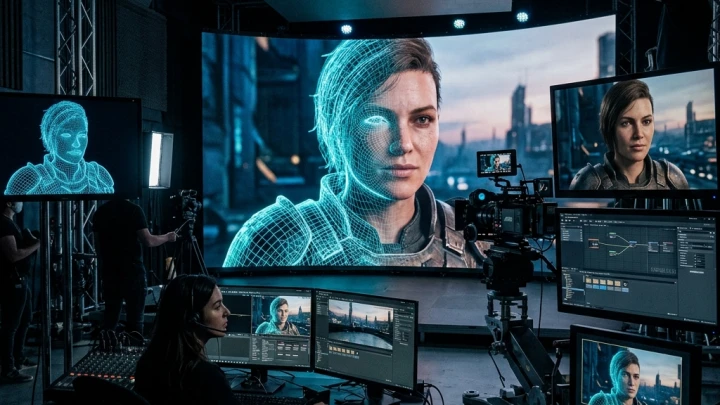
AI face swap technology replaces a face in an image or video with another face while preserving expressions, lighting, and movement.
For small businesses, this matters because it offers access to visual storytelling techniques that were previously expensive or inaccessible.
Instead of filming multiple people or re-shooting scenes, a business can reuse existing footage and adapt it creatively. This flexibility makes face swap appealing for teams that need to move fast without sacrificing quality.
Why are traditional video production costs a barrier?
Professional video production adds up quickly.
Costs typically include equipment, talent, locations, editing, and revisions.
According to a 2024 Wyzowl survey, the average cost of a professionally produced marketing video ranges from $1,200 to $10,000 depending on complexity. For many small businesses, this price point limits how often they can create new content.
AI face swap reduces these costs by allowing businesses to reuse assets and experiment without starting from scratch each time.
How can AI face swap reduce marketing expenses?
Face swap tools eliminate several recurring expenses.
Businesses no longer need to hire actors for every variation of a campaign.
Savings often come from:
- Reusing existing video clips
- Avoiding repeated filming sessions
- Reducing editing and revision cycles
By lowering production friction, small businesses can create more content with the same budget.
What types of content can small businesses create with face swap?
AI face swap is versatile.
It works across multiple content formats that small businesses already use.
Common examples include:
- Short social media ads
- Product explainers
- Seasonal promotions
- Educational or tutorial clips
These formats benefit from personalization and visual novelty, both of which face swap supports.
How does face swap help small brands look bigger?
Perception matters in marketing.
Consistent, creative visuals make a brand appear more established.
AI face swap allows small businesses to:
- Maintain a consistent on-screen presence
- Create character-driven content
- Produce campaigns that feel intentional rather than improvised
This consistency builds trust with audiences who may not know the size of the business behind the content.
Can face swap support personalization without extra cost?
Yes, and that is one of its biggest advantages.
Personalization typically requires additional shoots or assets.
With face swap, a small business can adapt one video for multiple audiences by changing faces, expressions, or roles. This allows targeted messaging without multiplying production costs.
For example, a local service business could tailor content for different customer segments while using the same base footage.
How does AI face swap fit into social media algorithms?
Social media platforms reward content that keeps users watching and interacting.
Face swap content naturally encourages curiosity and engagement.
Data from Hootsuite shows that videos with unexpected visual elements increase average watch time by up to 25 percent. For small businesses, this means better organic reach without increased ad spend.
Using tools like ai face swap by Viggle AI, some small teams explore ways to test different creative ideas quickly while learning what resonates with their audience.
What are the ethical considerations for small businesses?
Ethics matter regardless of business size.
Small brands must be especially careful because trust is often more personal.
Responsible use includes:
- Only using faces with clear consent
- Avoiding real public figures or customers without permission
- Making creative intent obvious through tone and context
When transparency is maintained, face swap becomes a creative asset rather than a risk.
How can small businesses avoid overusing face swap?
Balance is key.
Face swap should complement, not replace, authentic content.
Best practices include:
- Mixing face swap videos with real behind-the-scenes footage
- Using the format selectively for campaigns or trends
- Listening to audience feedback
Overuse can lead to fatigue, while thoughtful use keeps content fresh.
What skills are needed to get started?
One of the biggest advantages of AI face swap is accessibility.
Most tools are designed for non-technical users.
Small businesses typically need:
- Basic understanding of video formats
- Clear creative goals
- Willingness to test and iterate
No advanced editing skills or technical background are required, which lowers the barrier to entry significantly.
How can face swap support local and niche businesses?
Local and niche businesses thrive on relatability.
Face swap allows them to tell stories that feel personal without high production overhead.
For example:
- A local café can create playful promotions using recurring characters
- A niche e-commerce store can demonstrate products using consistent visual storytelling
These approaches help build recognition within smaller, loyal communities.
What does the data say about ROI for small businesses?
Video marketing consistently delivers strong returns.
Wyzowl reports that 87 percent of marketers say video has directly increased sales.
While face swap itself is not the sole driver, it enables more frequent and varied video output. More content means more opportunities to learn, optimize, and convert without increasing spend proportionally.
How should small businesses measure success?
Success should be measured beyond views alone.
Engagement quality matters more than quantity.
Key metrics include:
- Comments and shares
- Click-through rates
- Audience sentiment
Tracking these indicators helps small businesses refine how and when they use face swap content.
Conclusion
AI face swap technology is no longer reserved for large brands with massive budgets. For small businesses, it offers a practical way to create engaging, personalized video content without the traditional costs of production. When used responsibly, it can help level the playing field in crowded digital spaces.
The key is intention. Small businesses that focus on creativity, transparency, and audience value can use AI face swap to amplify their voice rather than imitate bigger brands. With thoughtful use, face swap becomes not just a cost-saving tool, but a strategic advantage.